
How to Choose the Right Compact Equipment for Alberta Jobsites
Choosing the right compact equipment can make a major difference in productivity, operating costs, and jobsite efficiency. Whether you are digging, loading, grading, hauling, trenching, or working in tight spaces, the right machine helps your crew get more done with less downtime.
At Emerald Equipment, we help Alberta contractors find compact equipment that fits the work they do every day. From mini excavators and compact track loaders to wheel loaders and tracked carriers, our team can help you compare options, understand machine capabilities, and choose equipment built for demanding jobsite conditions.
Why Compact Equipment Matters for Alberta Contractors
Compact construction equipment is popular because it delivers strong performance in a smaller, more versatile package. For many contractors, municipalities, landscapers, acreage owners, and utility crews, compact machines offer the right balance of power, maneuverability, transportability, and cost efficiency.
In Alberta, worksites can range from urban infill projects and residential construction to oilfield support, commercial development, farm work, utility installation, and rural property maintenance. Compact equipment is often ideal because it can handle demanding conditions while still fitting into areas where larger machines may not be practical.
Common benefits of compact equipment include:
- Better access in tight or confined work areas
- Easier transport between jobsites
- Lower operating costs compared to larger equipment
- Versatile attachment options for different applications
- Strong productivity for excavation, loading, grading, and material handling
- Reduced ground disturbance when properly matched to the job
If your business needs dependable compact equipment in Alberta, start by browsing Emerald Equipment’s current equipment inventory or connecting with our team through our contact page.
Step 1: Understand the Work You Need the Machine to Do
Before choosing a machine, it is important to define the work it will perform most often. A compact excavator, compact track loader, wheel loader, and tracked carrier can each be valuable, but they are designed for different types of jobs.
Ask these questions before selecting equipment:
- Will the machine be used primarily for digging, lifting, loading, grading, or hauling?
- Will it operate on soft ground, mud, gravel, pavement, snow, or uneven terrain?
- How much space is available on the jobsite?
- How often will the machine need to be transported?
- What attachments will be needed now or in the future?
- How important are fuel efficiency, comfort, service access, and warranty coverage?
Once you understand your core applications, it becomes easier to narrow down the right machine size, weight class, horsepower, attachment compatibility, and undercarriage style.
Step 2: Choose the Right Equipment Type
Each type of compact equipment has a specific role on the jobsite. Selecting the right category is the first step toward improving efficiency and avoiding unnecessary costs.
Mini Excavators
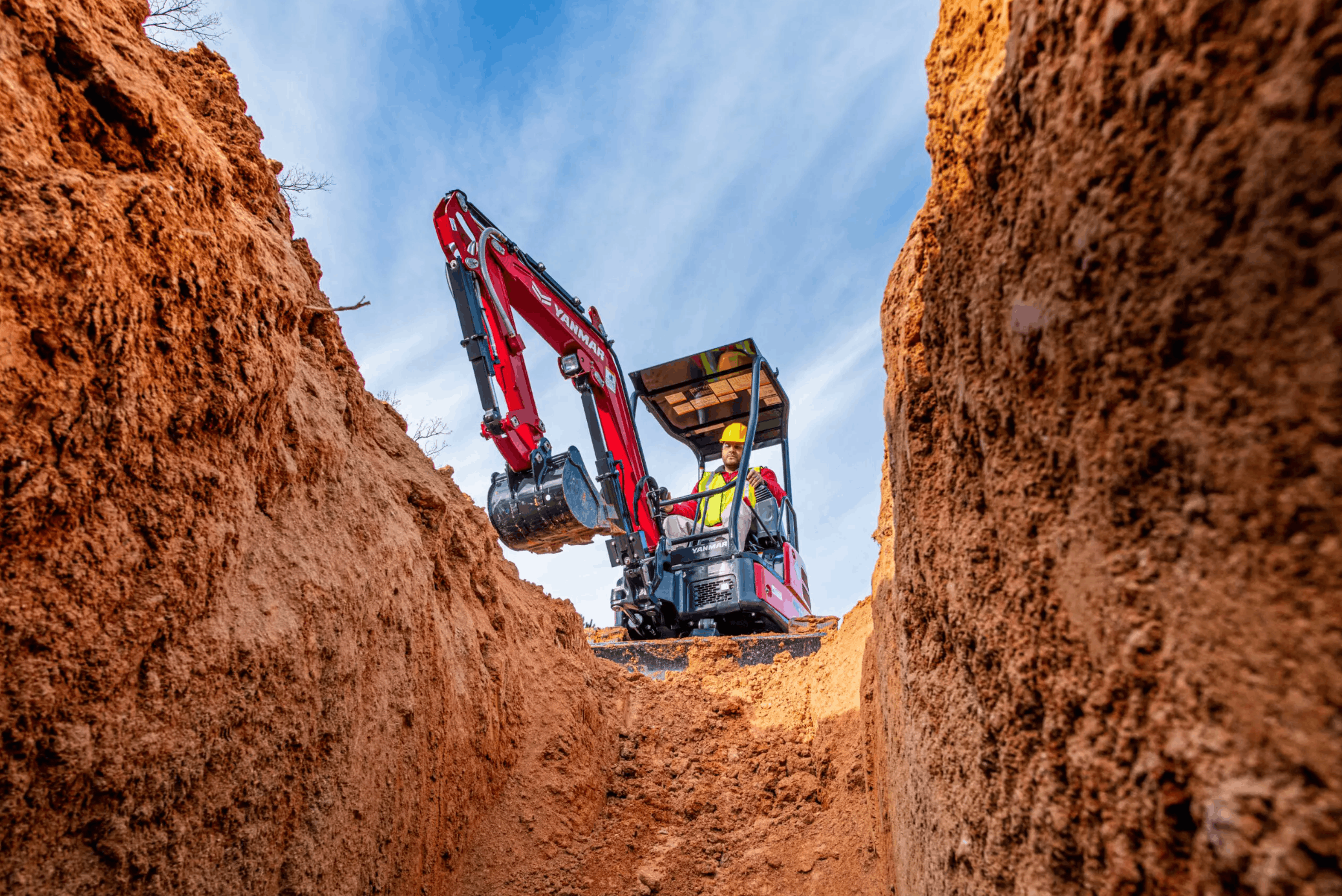
Mini excavators are ideal for digging, trenching, grading, demolition, landscaping, utility work, drainage projects, and residential construction. They are especially useful when contractors need precise digging power in limited spaces.
Mini excavators are commonly used for:
- Foundation work
- Utility trenching
- Water and sewer projects
- Landscaping and retaining walls
- Small demolition jobs
- Acreage and property maintenance
For contractors who need strong digging performance without moving into a full-size excavator, a compact excavator can be one of the most useful machines in the fleet. Emerald Equipment can help you compare available mini excavators and choose the right size for your workload.
Compact Track Loaders
Compact track loaders are highly versatile machines designed for grading, loading, clearing, snow removal, landscaping, material handling, and attachment-driven work. Because they use tracks instead of wheels, they can offer better traction and flotation in soft or uneven ground conditions.
Compact track loaders are useful for:
- Site preparation
- Material moving
- Grading and leveling
- Snow removal
- Land clearing
- Attachment-based applications
With the right attachment, a compact track loader can handle many different tasks throughout the year. This makes it a strong option for contractors looking for one machine that can support multiple services.
Wheel Loaders
Compact wheel loaders are built for loading, lifting, stockpiling, snow removal, and material handling. They are commonly used by contractors, municipalities, landscape supply yards, farms, snow removal companies, and commercial property maintenance teams.
Wheel loaders are a strong fit for:
- Loading trucks
- Moving aggregates
- Handling pallets and materials
- Snow clearing
- Yard maintenance
- Commercial and municipal applications
If your work involves frequent loading and lifting, a compact wheel loader may provide better efficiency and operator visibility than other machine types.
Tracked Carriers
Tracked carriers are designed to move materials across difficult ground conditions. They are especially useful on muddy, soft, uneven, or remote worksites where traditional trucks or wheeled machines may struggle.
Tracked carriers are commonly used for:
- Pipeline and utility work
- Remote construction sites
- Wet or soft ground conditions
- Material hauling
- Environmental and reclamation work
- Oilfield and industrial support
For Alberta jobsites where terrain and weather can create difficult working conditions, tracked carriers can help keep materials moving when other equipment may not be suitable.
Step 3: Match Machine Size to the Jobsite
Bigger is not always better. A machine that is too large can be difficult to transport, harder to operate in confined areas, and more expensive to run. A machine that is too small may not have the lift capacity, digging depth, hydraulic power, or stability needed for the work.
The best choice is the machine that matches your most common jobs while still giving you enough capability for future work.
Key size considerations include:
- Operating weight
- Digging depth
- Lift capacity
- Dump height
- Hydraulic flow
- Machine width and height
- Transport requirements
- Attachment compatibility
Emerald Equipment can help you compare machine options and understand which model is best suited for your jobsite needs. Visit our locations page to connect with a branch near you.
Step 4: Think About Attachments
Attachments can significantly expand what a compact machine can do. A single machine can support multiple applications when paired with the right tools, making it more valuable throughout the year.
Popular compact equipment attachments include:
- Buckets
- Hydraulic breakers
- Augers
- Grapples
- Pallet forks
- Snow blades
- Sweepers
- Mulchers
- Trenchers
- Grading attachments
When choosing a machine, always consider the attachments you plan to use. Hydraulic capacity, lift capacity, coupler style, and machine stability all matter when matching equipment to attachments.
Step 5: Consider Service, Parts, and Warranty Support
Buying compact equipment is not only about choosing the right machine. It is also about choosing the right dealer. Parts availability, service support, maintenance guidance, and warranty knowledge can all affect your long-term ownership experience.
Emerald Equipment supports customers with equipment guidance, parts assistance, service support, and warranty information. Whether you are purchasing your first compact machine or adding to an existing fleet, our team can help you make an informed decision.
Dealer support matters because it helps with:
- Reducing downtime
- Ordering the right parts
- Understanding maintenance requirements
- Protecting warranty coverage
- Comparing equipment options
- Planning for long-term operating costs
To learn more about equipment support, visit our parts page or service page.
Step 6: Plan for Alberta Conditions
Alberta contractors deal with a wide range of working conditions, from frozen ground and snow to mud, gravel, clay, tight urban lots, and remote industrial sites. The right compact equipment should be selected with these conditions in mind.
When choosing equipment for Alberta jobsites, consider:
- Cold-weather starting and seasonal maintenance
- Track or tire performance in mud, snow, and gravel
- Operator comfort during long workdays
- Ground pressure and site disturbance
- Attachment options for year-round use
- Transport between urban, rural, and industrial sites
Choosing a machine that fits Alberta conditions can improve performance, safety, operator confidence, and long-term value.
Why Buy Compact Equipment From Emerald Equipment?
Emerald Equipment helps contractors and business owners find reliable compact equipment for demanding worksites across Alberta. With locations serving the Edmonton and Calgary regions, our team can help you compare equipment, review inventory, and understand the right machine for your application.
Customers choose Emerald Equipment for:
- Compact equipment options for Alberta contractors
- Knowledgeable equipment guidance
- Support for parts, service, and warranty questions
- Convenient Alberta locations
- Practical advice based on real jobsite needs
Ready to find the right machine? Browse our current equipment inventory or contact Emerald Equipment to speak with our team.
Frequently Asked Questions About Choosing Compact Equipment
What is the most versatile compact machine for contractors?
A compact track loader is often one of the most versatile machines because it can work with many attachments and perform grading, loading, clearing, snow removal, and material handling tasks. However, the best choice depends on the type of work you do most often.
When should I choose a mini excavator?
A mini excavator is a strong choice when your work involves digging, trenching, grading, demolition, drainage, utility installation, or tight-space excavation. It offers excellent precision and digging capability in a compact footprint.
Are compact machines good for Alberta worksites?
Yes. Compact equipment is well suited for many Alberta worksites because it is maneuverable, powerful, and easier to transport than larger equipment. It can be used in residential, commercial, municipal, agricultural, industrial, and oilfield support applications.
Should I buy equipment based on horsepower or operating weight?
Horsepower and operating weight are both important, but they are only part of the decision. You should also consider lift capacity, hydraulic performance, digging depth, attachment compatibility, ground conditions, transport needs, and the type of work the machine will perform.
Can Emerald Equipment help me choose the right machine?
Yes. Emerald Equipment can help you compare compact equipment options, review available inventory, understand machine applications, and choose equipment that fits your work, budget, and operating conditions.
Where can I view Emerald Equipment’s current inventory?
You can view available machines by visiting Emerald Equipment’s inventory page. For specific model availability, pricing, or equipment recommendations, contact the Emerald Equipment team directly.
Find Compact Equipment for Your Next Job
The right compact equipment can help your business work more efficiently, reduce downtime, and take on more types of jobs. Whether you need a mini excavator, compact track loader, wheel loader, tracked carrier, or attachment support, Emerald Equipment can help you find a machine built for the work ahead.
Browse our current inventory or contact Emerald Equipment today to speak with our team.